
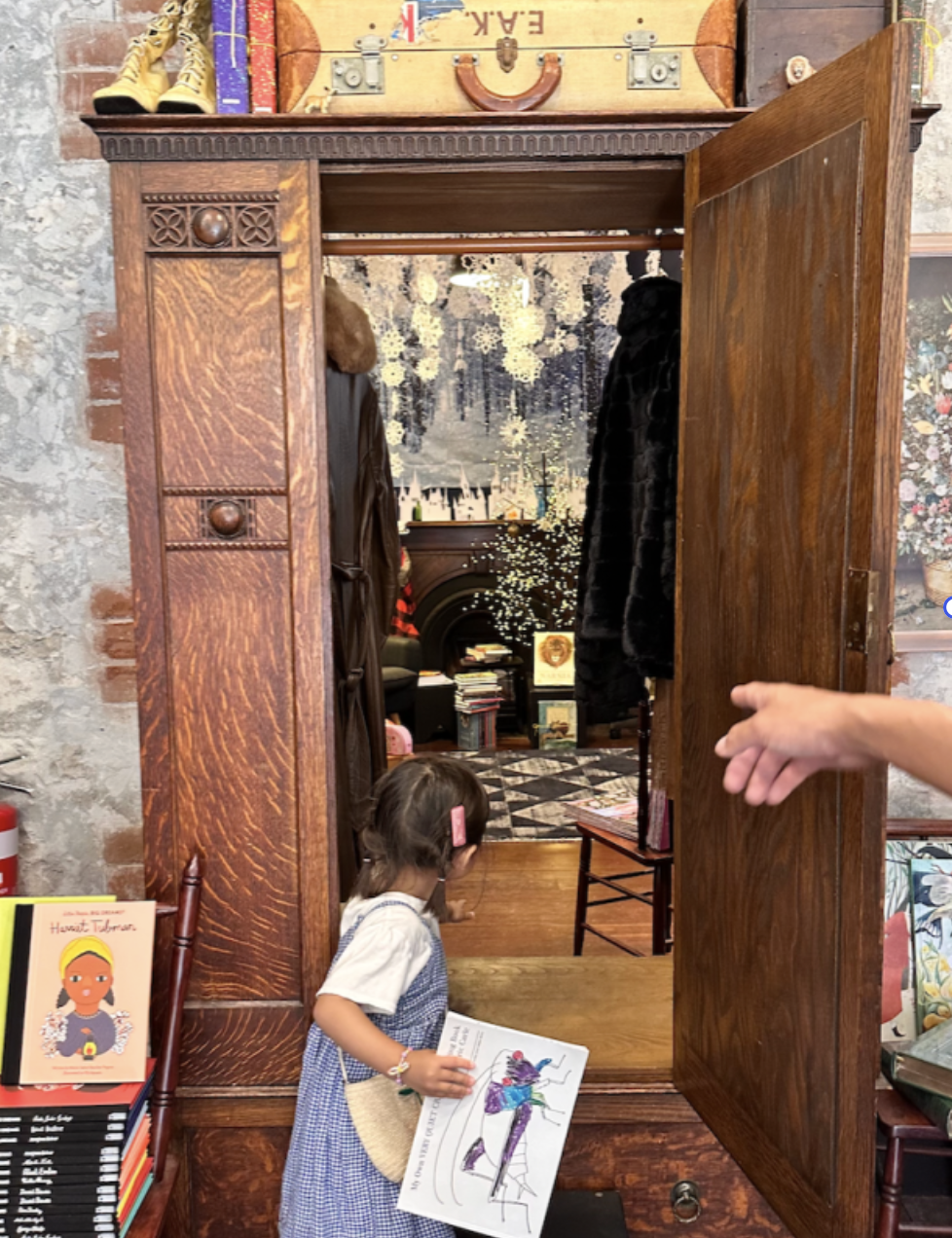
Visual literacy is the ability to interpret, analyze, and communicate meaning through images, symbols, color, and spatial relationships. In 2026, visual literacy has become one of the most important developmental skills for children growing up in multicultural, mobile, and digital environments. Through our worldschooling journey across London, Perth, Tbilisi, Warsaw, and Chiang Mai, we have witnessed how structured artistic exposure strengthens cognitive development, emotional regulation, literacy growth, and social confidence in an introverted six-year-old child.
Unlike traditional classroom art lessons, worldschooling integrates visual literacy into daily life. Cities become studios. Parks become sketching labs. Museums become silent teachers.
If you are new to this lifestyle, you may want to begin with our foundational guide:
👉 How to Start Worldschooling (2026 Framework Guide)
👉 How to Evaluate a City for Long-Term Family Living (2026 Framework)
These frameworks explain how intentional mobility supports deeper learning.
What Is Visual Literacy? (Clear Definition for Parents)
Visual literacy refers to a child’s ability to understand and create meaning from visual information such as shapes, images, color patterns, design structure, and environmental cues. It supports reading comprehension, memory formation, emotional articulation, and problem-solving.
For children, visual literacy strengthens:
- Narrative sequencing
- Symbol recognition
- Cultural awareness
- Emotional interpretation
- Spatial orientation
For introverted children, it becomes a communication bridge when verbal interaction feels overwhelming.

Why Visual Literacy Matters More in 2026 Than Ever Before
Modern children are exposed daily to:
- Digital interfaces
- Social media visuals
- Multilingual signage
- International design systems
- Rapid relocation environments
Children who develop visual literacy early tend to demonstrate:
- Stronger reading comprehension
- Improved analytical thinking
- Greater adaptability in new cities
- Increased emotional stability during transitions
This is especially relevant for globally mobile families who compare living environments before relocating.
For example, when analyzing cities such as London and Perth, visual structure plays a major role in child adjustment:
👉 London vs Perth Cost of Living (2026 Analysis)
👉 Net Income vs Cost of Living (2026 Income Planning Guide)
Cost affects stability. Stability affects creative confidence.

The Sketchbook as a Social Shield for an Introverted Child
Relocation can overwhelm introverted children:
- New languages
- New playground rules
- Unknown sensory environments
Her sketchbook provides:
- Processing time
- Emotional regulation
- Social entry without verbal pressure
Observation Before Participation
In London, near the Thames, our daughter painted red phone booths while other children ran around the park. Two local children slowly approached her.
No shared language.
No forced introduction.
Art created connection without exhaustion.
For introverted children, visual literacy reduces the need for immediate verbal performance.

Visual Mapping: How Drawing Reduces Anxiety During Travel
When she sketches:
- The bakery route in Tbilisi
- A Warsaw park fountain
- A Perth beachfront trail
She builds spatial memory.
Drawing creates cognitive ownership of unfamiliar cities.
This strengthens:
- Environmental confidence
- Independence
- Reduced relocation stress
If you are comparing cities from an emotional and lifestyle perspective, these adjustments matter just as much as cost:
👉 Best Cities for Worldschooling Families in 2026
Visual literacy supports smoother adaptation across locations.

Geography of Color: How Different Cities Refine a Child’s Artistic Eye
Latitude influences light.
Light influences perception.
Perth: High-Contrast Illumination
Western Australia produces:
- Deep ocean blues
- Sharp eucalyptus shadows
- High-contrast sunlight
Her Perth artwork reflects heightened contrast awareness.
You can read more about our Perth experience here:
👉 Living in Perth with Kids (2025 Family Experience Guide)
London & Warsaw: Atmospheric Depth
Northern European light encourages:
- Subtle grey layering
- Brick red textures
- Muted green tones
She began experimenting with atmospheric perspective organically.
London’s museum environment reinforces this exposure:
👉 Cost of Living in London for a Family of 3 (2-Month Stay)
Understanding city density and environment directly affects artistic mood.
Tbilisi: Earth and Texture
Stone architecture and terracotta roofs cultivate:
- Warm tonal sensitivity
- Textural layering
- Material awareness
This is environmental analysis through art.

Tactile Literacy: Why Craft Traditions Matter in Worldschooling
Visual literacy is not only digital or observational.
It is physical.
Chiang Mai: Handmade Paper
Observing fiber transformation into paper teaches:
- Process sequencing
- Patience
- Material science basics
Kuala Lumpur: Batik
Wax-resist dyeing introduces:
- Cause and effect
- Pattern logic
- Cultural storytelling
Budapest: Folk Embroidery
Symmetry strengthens early mathematical pattern recognition.
Tactile literacy reinforces neural integration between hand movement and cognitive structure.

Our 10-to-5 Creative Rhythm (Structure Within Mobility)
Worldschooling is not unstructured wandering.
We maintain stability through rhythm.
10:00 AM – Observation Session
Café sketching:
- Typography
- Architecture
- Street color palette
11:00 AM – 4:00 PM – Parallel Studio Time
While we work remotely, she works beside us with:
- Clay
- Watercolor
- Paper collage
Parallel productivity builds modeling behavior.
5:00 PM – Reflective Discussion
We treat her artwork with professional respect.
We ask:
- Why that composition?
- Why that color?
- What story does this image tell?
Art becomes analytical training.
Educational Art Opportunities by City (2026 Overview)
| City | Primary Visual Literacy Strength | Sensory Load | Accessibility |
|---|---|---|---|
| London | Museum scale & abstraction | Medium | High |
| Perth | Natural light & Indigenous art | Low | High |
| Tbilisi | Artisan texture | Low | Medium |
| Chiang Mai | Handmade craft | Low | High |
| Warsaw | Classical symmetry | Low | High |
City choice impacts not only cost but creative development.
For long-term planning, also review:
👉 How to Evaluate a City for Long-Term Family Living (2026 Framework)
👉 Net Income vs Cost of Living (2026 Planning Guide)
The Literacy Connection: How Drawing Strengthens Reading
Visual literacy precedes written literacy.
We apply three strategies:
1. Narrative Sequencing
She draws first, middle, last.
2. Vocabulary Attachment
She labels her drawings.
3. Emotional Reasoning
She explains color choice.
This bridges visual thinking and written expression.
Frequently Asked Questions About Visual Literacy and Worldschooling
Below are common questions parents ask about visual literacy and worldschooling.
Q1) What is visual literacy in early childhood?
Visual literacy is a child’s ability to interpret and create meaning from images, color, spatial relationships, and symbols. It supports reading comprehension and emotional articulation.
Q2) How does worldschooling improve visual literacy?
Worldschooling exposes children to diverse architectural styles, cultural environments, craft traditions, and museums, which strengthen observation and interpretation skills.
Q3) Is visual literacy helpful for introverted children?
Yes. Visual literacy offers a non-verbal communication pathway that reduces social anxiety and builds expressive confidence.
Q4) Can drawing improve reading skills?
Yes. Drawing strengthens sequencing, vocabulary development, and narrative structure, which are foundational to reading comprehension.
Q5) Do children need formal art classes to develop visual literacy?
Not necessarily. Structured exposure to real-world environments combined with reflection can build visual literacy naturally.
The Emma Family’s Personal Strategy (Our Personal Perspective)
The following section reflects our family’s personal approach and experience. It is not a universal prescription, but a strategy that has worked well for our introverted child within a worldschooling lifestyle.
Over the past several years, we have refined a simple principle:
Protect observation time before expecting performance.
In practical terms, this means:
- We do not rush social integration during the first weeks in a new city.
- We prioritize sketching walks over playground introductions.
- We choose museums and quiet parks before structured group activities.
- We evaluate cities not only by cost or visa rules, but by visual calmness and sensory load.
When comparing cities such as London, Perth, or Tbilisi, we ask ourselves:
- Does this city offer visual richness without sensory overload?
- Are there quiet spaces for independent observation?
- Can our child explore visually before speaking socially?
For our family, visual literacy is not an extracurricular activity. It is a stabilizing system.
We intentionally design our rhythm around:
- Morning observation
- Midday studio independence
- Evening reflection
We have noticed that when visual literacy is protected, language skills develop more naturally. Social confidence grows more quietly, but more sustainably.-
From a practical standpoint, this also influences how we evaluate relocation decisions. We combine emotional stability with structural planning:
- Financial feasibility (see: Net Income vs Cost of Living (2026))
- City sensory environment (see: How to Evaluate a City for Long-Term Family Living)
- Educational access and museum infrastructure
- Housing layout and neighborhood calmness
For introverted children, stability does not come from constant activity. It comes from predictable creative space.
Our long-term strategy is simple:
Build visual confidence first.
Allow language and social engagement to follow naturally.
Worldschooling, in our experience, is not about raising a child who speaks the loudest. It is about raising a child who observes deeply and expresses authentically.
That is the Emma Family way.
“Worldschooling — Learning from the World, the Introvert Family Way” _ Emma


You must be logged in to post a comment.