
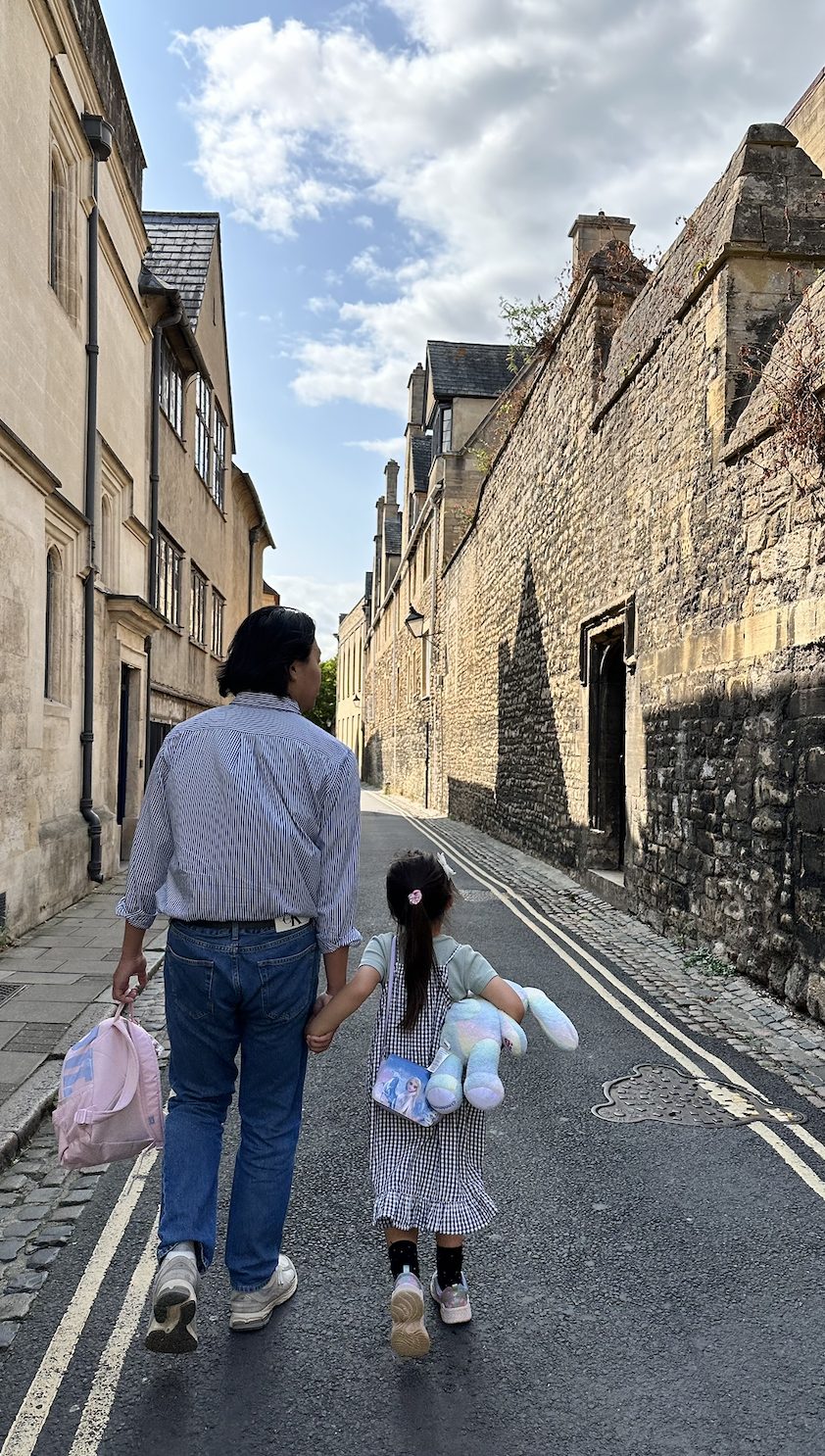
Worldschooling actually looks like a structured yet flexible family lifestyle that combines travel, education, and daily routines across countries. This guide explains how worldschooling works in real life, including legal considerations, education systems, cost structures, and daily routines based on verified public frameworks and real family experience.
What Worldschooling Means in Real Life
Worldschooling is often described as learning through travel. In practice, it is a long-term lifestyle built on three pillars:
- Legal residency across countries
- Continuous education
- Sustainable daily routines
It is not continuous movement or extended vacation.

From our experience traveling as a worldschooling family, the reality is much quieter.
We live in one place long enough to build routines.
We repeat ordinary days in different environments.
That is where learning actually happens.
To understand how this lifestyle is structured in detail, you can explore the full framework here:
👉 Worldschooling Education Framework (Complete Guide)
What a Typical Day Actually Looks Like
Daily life is structured, not spontaneous.
A typical weekday may look like this:
- Morning: school or focused learning
- Midday: work and independent study
- Afternoon: outdoor activity or exploration
- Evening: family time and preparation
This routine provides stability even when the environment changes.
Daily routines often depend on the city environment and infrastructure.
👉 See how we evaluate cities for long-term living:
How to Choose the Best City for Long-Term Family Living (2026 Framework Guide)

What Makes It Different
- Learning is not limited to classrooms
- Daily activities become part of education
- Children adapt to new environments naturally
This aligns with global education models that emphasize experiential learning and adaptability.
Before and After: What Changed for Our Family
Before worldschooling, our life followed a fixed system.
- Strict schedules
- Limited environments
- Less shared time
After transitioning, the structure did not disappear.
It changed.
We no longer try to fit into a system.
We build one that fits our life.
From our experience traveling as a worldschooling family,
the biggest shift was not geography.
It was how we use time.
This shift is also influenced by cost structure and long-term sustainability.
👉 Full cost breakdown here:
How Much Does Worldschooling Cost Per Month? (Real Family Budget 2026)
What a Real Week Looks Like
A realistic weekly structure helps maintain continuity.
| Day | Structure |
|---|---|
| Monday | School + home routine |
| Tuesday | Work + local exploration |
| Wednesday | Museum or outdoor learning |
| Thursday | School + review |
| Friday | Flexible learning + free time |
| Weekend | Family time + planning |
This rhythm prevents burnout and supports long-term sustainability.
Education Systems and Legal Requirements
Education during worldschooling must align with local regulations.
Available Options
| Category | Description |
|---|---|
| International School | Formal education with structured curriculum |
| Homeschooling | Parent-led or online learning |
| Hybrid Model | Combination depending on location |
Legal Considerations
- Some countries require formal school enrollment
- Others allow homeschooling under specific conditions
- Requirements may vary depending on visa type
These regulations are determined by public education policies and may change depending on year or jurisdiction.
Readers should verify requirements through official government or public education authorities.
Full framework:
👉 Worldschooling Curriculum Framework for Families (2026 Guide)
Cost Structure Based on Real Living Conditions
Cost is one of the most frequently asked questions.
However, worldschooling cost is not a single number.
It is a structured combination of categories.
Monthly Cost Framework (Family of Three)
| Category | Estimated Cost |
|---|---|
| Accommodation | $800–$2,500 USD |
| Food | $400–$1,000 USD |
| Transportation | $100–$400 USD |
| Education | $0–$1,500 USD |
| Total | $1,500–$4,500 USD |
For a detailed monthly breakdown based on real locations:
👉 Real Cost of Worldschooling (Full Breakdown)
How Much Does Worldschooling Cost Per Month? (Real Family Budget 2026)
Costs vary depending on:
- Country-specific living expenses
- Housing availability
- Education choices
These ranges are consistent with international cost-of-living benchmarks but may vary depending on policy updates or economic conditions.
Choosing the Right City for Long-Term Living
Not every city supports a worldschooling lifestyle.
Key Evaluation Criteria
- Safety and healthcare access
- Stable internet infrastructure
- Cost consistency
- Walkability and daily convenience
- Family-friendly environment
Some cities appear attractive but are difficult to sustain daily routines.
Others feel simple but provide long-term stability.
Choosing the right city is one of the most critical decisions in worldschooling.
👉 See our full evaluation framework:
How to Choose the Best City for Long-Term Family Living (2026 Framework Guide)

Immigration and Residency Compliance
Worldschooling must operate within legal residency frameworks.
Key Factors to Confirm
- Entry eligibility
- Maximum stay duration
- Renewal or extension conditions
- Work and study restrictions
For example, many regions apply short-stay limits, while long-term residence requires additional authorization.
These conditions are defined by government policy and may change.
Residency rules and stay limits directly impact how long families can live in each country.
👉 Read the full visa strategy guide:
How to Stay in Europe Longer Than 90 Days (Schengen Guide 2026)
The Emotional Reality of Worldschooling
Worldschooling is not always comfortable.
There are moments when:
- Plans change unexpectedly
- Children feel tired or unsettled
- Routines need to be rebuilt
At the same time, there are moments of clarity.
Quiet mornings.
Simple meals at home.
Time that feels intentional.
This balance is what makes the lifestyle sustainable.
What We Got Wrong at First
The first phase is rarely perfect.
We made several mistakes:
- Moving too frequently
- Choosing cities based on popularity
- Underestimating the importance of routine
Over time, we adjusted.
We slowed down.
We stayed longer.
We prioritized livability over novelty.
These changes made the lifestyle sustainable.
Common Misconceptions About Worldschooling
It is constant travel
In reality, it is structured living across locations.
It is always cheaper
Costs depend on location, education, and lifestyle.
Education becomes unstructured
Most families follow a defined system.
Who This Lifestyle May Not Suit
Worldschooling may not be suitable for:
- Families requiring strict stability
- Children who struggle with environmental change
- Those expecting continuous travel experiences
It is not a universal solution.
It is a different structure.
What Worldschooling Actually Looks Like Checklist Before Starting
Before starting, readers should confirm:
- Eligibility for entry and residence
- Maximum permitted stay duration
- Education requirements in each country
- Cost of living based on official benchmarks
- Access to healthcare and insurance
This information can be verified through:
- Government official websites
- Public institutions managing immigration and education
Policies may change depending on year or regulatory updates.
If you are planning this lifestyle, these guides will help you understand the full structure:
👉 Worldschooling Education Framework
👉 Real Cost of Worldschooling
👉 City Evaluation Framework
👉 Schengen Visa Guide
(All guides are linked throughout this article for deeper reading.)
Frequently Asked Questions
Q1) Is worldschooling legally permitted?
This depends on national regulations. Some countries allow flexible education systems, while others require formal enrollment.
Q2) How long can families stay in one country?
Duration depends on visa conditions and bilateral agreements. Limits and extensions vary.
Q3) Is worldschooling more expensive than traditional living?
Costs vary depending on location and lifestyle. It may be comparable or higher depending on conditions.
Q4) How do children maintain academic continuity?
Continuity depends on the chosen education system, including school enrollment or structured home learning.

The Emma Family’s Personal Strategy
From our experience traveling as a worldschooling family, sustainability comes from simplicity.
We focus on:
- Staying longer in each location
- Maintaining consistent routines
- Choosing cities based on livability
Just a quiet life.
Slow mornings made at home.
Different places,
but the same rhythm.
This is a personal strategy based on our experience.
It may not apply to all families, but it has allowed us to balance education, cost, and emotional stability.
What Worldschooling Actually Looks Like in Practice Moving Forward
Worldschooling is a structured lifestyle that requires planning, consistency, and compliance with public regulations.
Readers should:
- Evaluate long-term sustainability
- Regularly verify legal requirements
- Adjust education strategies as needed
Final details should always be confirmed through official announcements, as policies and requirements may change.
“Worldschooling — Learning from the World, the Introvert Family Way” _ Emma


You must be logged in to post a comment.