
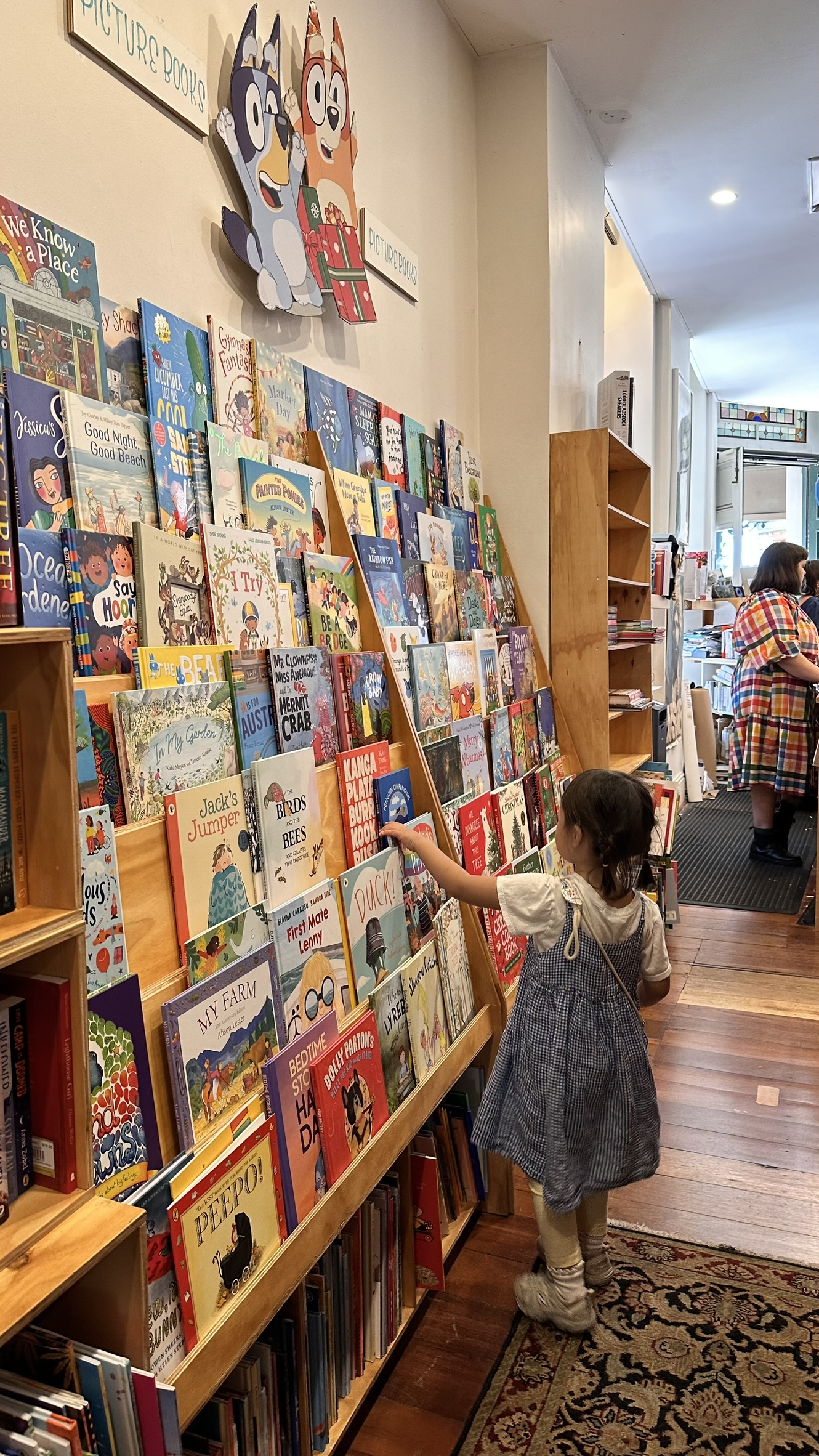
“Worldschooling with a Shy Child: A Designer Mom’s Guide to Learning the World”
Introduction: Why 2026 is the Year of the “Quiet Explorer”
The traditional classroom is no longer the only—or even the best—option for every child. As we look toward 2026, Worldschooling has emerged as a breathtaking alternative for families who crave freedom and a deeper connection with the world.
For our family—a trio consisting of an illustrator/designer mom, an English teacher dad, and our creative 6-year-old daughter—this journey wasn’t about escaping life. It was about finding a way to learn that honored our daughter’s introverted, artistic nature. If you have a child who prefers a sketchbook to a noisy playground, this guide is my heart-to-heart with you.

Chapter 1: The Psychology of the Introverted Artist
The “Observer” Advantage in Worldschooling
Introversion isn’t a hurdle; it’s a superpower for cultural immersion. Introverted children possess high “situational awareness,” noticing details that others miss. For our daughter, who loves drawing and craft arts, the world isn’t just a place to visit—it’s a subject to be studied and recreated.
Our Story: I remember watching my daughter at a busy park in a new city. While other kids were running, she sat quietly with her sketchbook. I felt that old urge to push her to “join in,” but as a designer, I realized she was doing exactly what I do: she was analyzing her environment. By the third day, once she had “mapped” the space through her drawings, she felt safe enough to share her pens with a local child. She didn’t need a push; she needed her art to bridge the gap.
Chapter 2: Phase 1 – Financial & Professional Foundations
To sustain worldschooling in 2026, your professional setup must be robust. Our “Dual-Professional” nomadic model works because it balances creativity with education.
- The Designer’s Studio (Mom): As an illustrator and designer, I rely on high-speed connectivity and a quiet space to work. 2026 nomadic visas (like those in Spain, Japan, or Portugal) are designed for professionals like us.
- The Educator’s Edge (Dad): My husband’s background as an English teacher is our “secret weapon.” It allows us to curate a language-rich environment and navigate international homeschooling regulations with confidence.
💰 The 2026 Budget (Family of 3):
| Expense Category | Budget (USD) | 2026 Strategy |
| Accommodations | $2,000 – $3,500 | Focus on “Slow Stays” (1 month+) for significant discounts. (Focusing on 2-bedroom stays to allow for a dedicated “Art & Work” zone). |
| Food & Grocery | $1,200 – $1,800 | Balance local markets with intentional home cooking. |
| Connectivity & Tech | $200 – $300 | High-speed 5G or Starlink is essential for remote work. |
| Education & Activities | $500 – $800 | Leverage free libraries and museum memberships. |
Chapter 3: Phase 2 – Strategic Destination Scouting
Not all cities suit a shy child or a working designer. We look for “Low-Stimulus” Hubs with strong artistic communities.
Perth, Australia: A Haven for Creative Souls
Perth remains our gold standard. It offers modern infrastructure with the calm population density that an introverted 6-year-old needs.
Our Story: Perth’s libraries and art galleries became our daughter’s “second classrooms.” Because it’s less crowded than Sydney or Melbourne, she felt the space to breathe and create. We spent hours at the Art Gallery of Western Australia, where she would sit on the floor and copy the paintings into her own journal. For a shy child, art is a universal language that requires no small talk.

If you want to know more about our life in Perth, [check out my previous post her.
👉 [Living in Perth with Kids (2025): Our 2-Month Family Experience in Australia]
🔍 A Deep Dive into Perth: The Ultimate Art-Focused Itinerary
In Chapter 3, I mentioned Perth is our gold standard. To give you a practical example of how we “worldschool,” here is our favorite 3-day creative itinerary in Western Australia:
Day 1: Fremantle (The Heart of Craft)
- Morning: Visit the Fremantle Markets. This is a sensory dream for a child who loves craft arts. We look at handmade ceramics and local wood carvings.
- Afternoon: Sketching at the Esplanade Park. The giant Ferris wheel and the Norfolk Island pines provide perfect geometric shapes for a 6-year-old to practice drawing.
Day 2: The Cultural Centre (Safe Exploration)
- Morning: The Art Gallery of Western Australia (AGWA). They have a wonderful interactive space for kids. My daughter spent two hours here simply color-matching her crayons to the modern art pieces.
- Afternoon: The State Library of Western Australia. The children’s floor is a quiet, carpeted heaven. It’s the perfect place for “Dad’s Reading Hour.”
Day 3: Nature as the Muse
- Full Day: Kings Park. We bring our watercolors and spend the day at the Rio Tinto Naturescape. Instead of a science textbook, we study the unique “Banksia” flowers and the “Boab” trees. My daughter collects fallen leaves to use for “leaf rubbing” art later at home.
Chapter 4: Phase 3 – Crafting an “Art-First” Curriculum
Beyond Worksheets: The Creative Classroom
Worldschooling isn’t just doing schoolwork in a different zip code. It’s Project-Based Learning (PBL).
- English & Literacy: Dad uses our travels to build vocabulary—reading local signs, menus, and folk tales.
- Math & Logic: Managing “Pocket Money” for craft supplies at local markets.
- Art & History: Mom leads visits to museums where the “lesson” is a watercolor session inspired by the architecture.
* Our Creative Toolkit: The Designer Mom’s Guide to Portable Art
As an illustrator and designer, I believe that a child’s creativity shouldn’t be limited by a suitcase. For an introverted child, art is more than a hobby—it is their primary way of communicating with a world that often feels too loud.
The Essential Mobile Art Studio (Family of 3)
To hit our worldschooling goals in 2026, we’ve curated a “Mobile Studio” that balances professional design work with a 6-year-old’s need for craft-art exploration:

- For the Designer Mom: I use an iPad Pro with Procreate and a compact Wacom tablet. This allows me to meet client deadlines from a cafe in Perth or a library in Budapest without needing a bulky desktop.
- For the Budding Artist (6yo Daughter): * Watercolor Travel Set: A pocket-sized Winsor & Newton set is perfect for “sketch-walking.”
- The “Everything” Journal: We use high-quality 200gsm paper journals that can handle both markers and light washes of paint.
- Portable Craft Kit: A small pouch with safety scissors, washi tape, and beeswax crayons. Crafting helps her process the sensory input of a new city.
- Pro-Tip: Always carry a “Sit-Mat.” For a shy child, having a designated spot to sit and draw in a public square provides a psychological “boundary” that makes them feel safe while observing the world.
🔍 Dad’s English Corner: Language Learning Without the Anxiety
As an English teacher, my husband approaches worldschooling with a focus on “Natural Acquisition.” For a shy 6-year-old, the pressure to “speak a new language” can be paralyzing. Here is how we navigate language barriers in 2026:
The “Low-Pressure” Language Strategy
- Passive Immersion: We don’t force her to speak. Instead, we listen to local children’s songs or watch short cartoons in the local language together. This builds “ear-familiarity” without social pressure.
- The “Safety Three” Phrases: We teach her only three essential phrases: “Hello,” “Thank you,” and “Can I draw here?” Giving her the words to ask permission for her art gives her a sense of agency.
- Visual Vocabulary: Because she is a visual learner, we play “I Spy” with local signs. Dad turns a walk to the grocery store into a phonics lesson, connecting the letters on the signs to the sounds of the new language.
- Teacher’s Note: “The goal isn’t fluency in a month; it’s cultural empathy. When a shy child realizes they can understand a smile or a gesture without perfect grammar, their global confidence soars.”
Chapter 5: Phase 4 – The Logistical Blueprint
Step 1: The “Digital & Art Audit” (12 Months Out)
Check passports and nomadic insurance. For us, this also means auditing our “Mobile Studio”—ensuring my design tablets and her craft kits are portable yet comprehensive.
Step 2: The “Deschooling” Period (6 Months Out)
Start breaking the 9-to-5 habit. We began having “Art Days” where we followed our daughter’s creative whims for 6 hours straight to see how she handled unstructured time.
Step 3: The “Soft Landing” (The First 30 Days)
Choose a destination where you feel comfortable. For us, it was a city with plenty of parks and “Slow Living” vibes.
Chapter 6: Our Secret Ingredient—The 10-to-5 Rhythm
The “Anchor” of Family Life
For an introverted child, the world is big and loud. Our daily rhythm is the “Safe Base” she needs to venture out.
Our Personal Rhythm: Wherever we are in the world, our day starts the same. At 10:00 AM, we have Coffee & Brunch. As a designer, a teacher, and an artist, we use this time to chat about our “daily missions.” My husband might discuss a new English phrase, and I might help our daughter plan a new craft project. From 11:00 AM to 4:00 PM, we focus: I work on my designs, my husband teaches/preps, and our daughter dives into her “Craft Art” and worldschooling projects. Then, at 5:00 PM, we always have dinner together. This 10-to-5 anchor never changes, even if the view outside does.

Chapter 7: Phase 5 – Emotional Health & Continuity
The Power of “Art Anchors”
An introverted child finds comfort in the familiar.
- The “Travel Art Kit”: My daughter has a specific box of markers and clay that travels everywhere. It’s her piece of home.
- The Daily Ritual: Our Brunch and Dinner times are non-negotiable. They are the psychological signals that say, “No matter where we are, we are safe together.”
👉 [Why We Would Choose Perth Again with Kids]
Conclusion: The Quiet Joy of Growing Together
By the end of your first year in 2026, you’ll realize that Worldschooling isn’t about making your child the loudest person in the room. It’s about validating their quiet, observant nature. For us, it’s seeing our daughter gain confidence—not by shouting, but by showing the world her art.
Starting worldschooling is a commitment to a life of curiosity. It’s a gift of time—time to explore, time to create, and time to grow together, one quiet, colorful step at a time.
“Worldschooling — Learning from the World, the Introvert Family Way” _ Emma


You must be logged in to post a comment.