
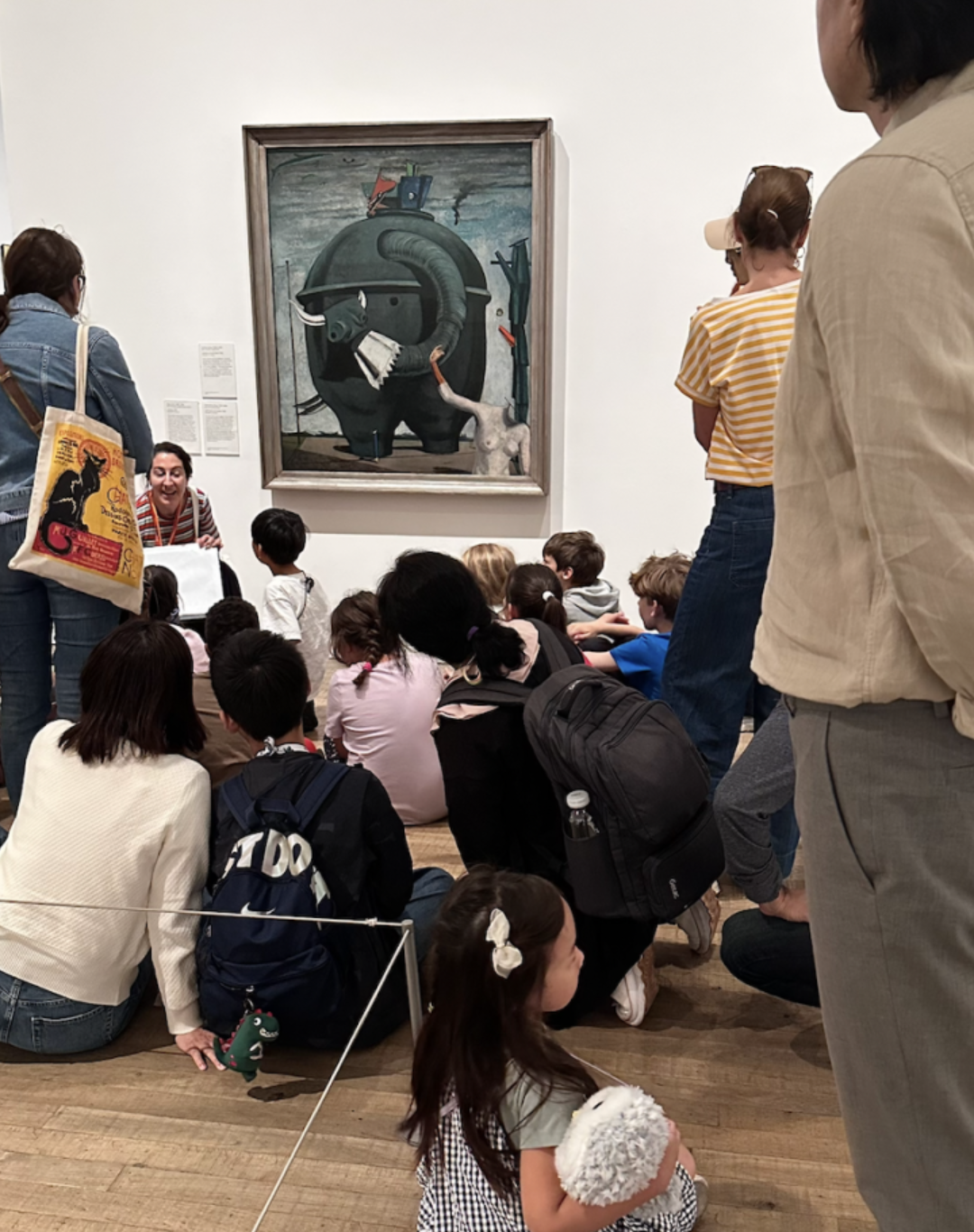
Worldschooling allows families to combine travel, education, and everyday life across different countries. For families considering this lifestyle, choosing the right country is often the most important decision before starting a long-term journey abroad.
The best countries for worldschooling families usually offer a balance between affordable living costs, stable healthcare systems, flexible education options, and safe environments for children.
Some countries provide low costs and relaxed lifestyles, while others offer stronger infrastructure, world-class education systems, and global cultural exposure.
In this guide, we compare some of the best countries for worldschooling families in 2026 based on cost of living, education ecosystems, visa flexibility, healthcare access, and lifestyle sustainability.
Families who want to explore specific city examples can also read:
👉 Best Cities for Worldschooling Families
1. What Makes a Country Good for Worldschooling?
Not every country that is popular for tourism works well for long-term family living abroad.
Worldschooling families usually evaluate countries based on several structural factors.
Visa flexibility
Countries that offer long-stay visas or digital nomad visas allow families to remain longer without constantly relocating.
👉 Schengen 90/180 Rule Explained (2026): Calculation Examples, Mistakes, and Legal Reset Strategy
👉 How to Stay in Europe Legally After 90 Days (2026 Guide)
Cost of living
Housing, food prices, transportation systems, and healthcare costs determine whether living abroad is financially sustainable.
Families interested in detailed financial planning can also read:
👉 How Much Does Worldschooling Cost?
Education ecosystem
Many worldschooling families combine different learning approaches including homeschooling, online learning, and local classes.
Countries that allow flexible learning environments often work best.
Infrastructure and safety
Reliable healthcare, transportation systems, and walkable cities make everyday family life easier.
Families comparing cities based on these factors may also explore:
👉 How to Choose the Best City for Long-Term Family Living
A Simple Decision Framework for Families
Before comparing countries, families should clarify their priorities.
Not every family needs the same conditions.
Some prioritize cost efficiency, while others prioritize education continuity or healthcare access.
A simple way to evaluate countries is to ask:
– Can we stay legally without stress?
– Can we afford stable housing?
– Does our child adapt well to the environment?
– Is daily life predictable?
Families who want a deeper decision framework can explore:
👉 How to Choose a City for Worldschooling (Real Family Strategy)

2. Best Countries for Worldschooling Families
Below are several countries that offer strong conditions for worldschooling families.
Thailand
Thailand is often one of the easiest countries for families to begin worldschooling.
Advantages include:
- relatively low cost of living
- strong digital nomad communities
- flexible homeschooling environments
- international family networks
Cities such as Chiang Mai are popular among traveling families because they provide slower lifestyles while still offering good infrastructure.
👉 Living in Chiang Mai with Kids
👉 Chiang Mai Cost of Living for Families (2026): Real Monthly Budget
Malaysia
Malaysia combines Southeast Asian affordability with modern infrastructure and English accessibility.
Advantages include:
- strong healthcare systems
- English widely spoken
- large international school networks
- modern transportation infrastructure
Kuala Lumpur is one of the most comfortable cities in Asia for families relocating abroad.
👉 Kuala Lumpur Family Life Guide
Georgia
Georgia has become increasingly popular among location-independent families because of its visa flexibility and relatively affordable living costs.
Advantages include:
- long visa stays for many nationalities
- affordable housing
- relaxed lifestyle pace
- growing international communities
Tbilisi offers a balance between European culture and moderate living costs.
👉 Living Costs for Families in Tbilisi
Hungary
Hungary provides access to European culture while maintaining lower living costs compared with Western Europe.
Advantages include:
- central European location
- reliable public transportation
- strong cultural environment
- international education options
Budapest offers many museums, historic districts, and walkable neighborhoods.
Poland
Poland has become one of the fastest-growing economies in Europe and offers strong infrastructure for families relocating within the European Union.
Advantages include:
- modern urban infrastructure
- efficient public transport
- expanding international school options
- high safety levels
Warsaw offers structured urban planning and organized city systems.
United Kingdom
The United Kingdom offers world-class education and cultural institutions.
Advantages include:
- globally recognized schools
- extensive museums and libraries
- strong public transportation
However, housing costs and daily expenses are significantly higher than many other worldschooling destinations.
London remains one of the most culturally rich cities for families living abroad.
👉 Best Family-Friendly Neighborhoods in London
👉 London Cost of Living for Families (2026): Real Monthly Budget
Australia
Australia is often considered one of the safest environments for families living abroad.
Advantages include:
- excellent healthcare systems
- strong environmental quality
- family-friendly urban design
- high safety standards
Cities such as Perth provide calmer lifestyles compared with larger global cities.
👉 Living in Perth with Kids: Real Family Life & Neighborhood Guide
👉 Perth Cost of Living for Families (2026): Housing, School, Daily Costs
👉 London vs Perth Cost of Living (2026): A Worldschooling Family Budget & Education Comparison
Which Country Is Actually the Best?
There is no single “best” country for worldschooling families.
The right choice depends on:
– budget flexibility
– child’s personality
– travel pace
– education style
For example:
A budget-focused family may prefer Thailand or Georgia.
A family prioritizing structured education may choose the United Kingdom or Australia.
A slow-living family may prefer Hungary or Portugal.
Choosing a country is not about ranking — it is about alignment.
👉 How Much Does Worldschooling Cost? (Full Family Budget Guide)
3. Cheapest Countries for Worldschooling Families
Many families choose worldschooling because living abroad can sometimes be more affordable than living in expensive cities at home.
Below are some of the most affordable countries for worldschooling families.
| Country | Typical Monthly Family Budget |
|---|---|
| Thailand | $2,200 – $3,300 |
| Georgia | $2,300 – $3,500 |
| Malaysia | $2,500 – $3,800 |
| Hungary | $2,600 – $3,800 |
| Poland | $2,700 – $4,000 |
These estimates assume a family of three maintaining a moderate lifestyle with stable housing.
These cost ranges may vary depending on housing choices, school type, and lifestyle preferences.
Families planning detailed budgets can explore:
👉 Cost of Living in Prague for Families (2026 Real Monthly Budget Guide)
👉 London vs Perth Cost of Living (2026)
4. Regional Cost Differences for Worldschooling
Worldschooling costs vary significantly depending on region.
| Region | Estimated Monthly Budget |
|---|---|
| Southeast Asia | $2,200 – $3,300 |
| Eastern Europe | $2,300 – $3,800 |
| Central Europe | $2,700 – $4,200 |
| Western Europe | $4,500 – $7,000 |
| Australia | $3,800 – $5,500 |
Understanding regional differences helps families choose destinations that match their financial planning.
5. Visa and Residency Considerations for Worldschooling Families
Visa flexibility is one of the most important factors when choosing a country for long-term family living.
Several visa models commonly used by worldschooling families include:
Tourist visas
Many countries allow stays of 30–90 days under tourist visa policies.
Digital nomad visas
Some countries now offer visas designed for remote workers and location-independent families.
Long-term residency visas
Certain countries allow extended stays with access to healthcare or education systems.
Visa regulations frequently change depending on government policies, so families should always verify requirements through official immigration sources.
6. Healthcare Systems in Popular Worldschooling Countries
Healthcare access is another major factor when choosing a country for worldschooling.
Families often rely on one of three healthcare strategies:
International health insurance
Many traveling families maintain international insurance policies that allow them to access private healthcare services worldwide.
Local private healthcare
In several countries private healthcare is affordable compared with Western healthcare systems.
Public healthcare access
Some visa types allow access to national healthcare systems.
Countries such as Australia and the United Kingdom provide strong healthcare systems, while Thailand and Malaysia offer high-quality private healthcare used by expatriates.
Hidden Lifestyle Factors Families Often Overlook
Many families focus on cost, visas, and education.
However, everyday lifestyle factors often have a bigger impact on long-term sustainability.
Important overlooked factors include:
– walkability
– access to parks and public spaces
– noise levels
– cultural pace of life
A city that supports calm daily routines often creates a better environment for children.
These factors are difficult to measure but essential for long-term success.

7. Education Ecosystems Across Worldschooling Destinations
Education is one of the most complex considerations for families living abroad long-term.
Many worldschooling families combine multiple learning models.
Common approaches include:
Homeschooling
Families maintain consistent learning regardless of location.
Online learning
Many families use structured online learning platforms.
International schools
International schools provide continuity for families moving between countries.
Local learning centers
Some cities offer tutoring programs or language classes that supplement homeschooling.
Countries that support flexible education ecosystems tend to work best for worldschooling families.
8. How Long Families Typically Stay in Each Country
Experienced worldschooling families often travel more slowly than new travelers.
Typical patterns include:
| Travel Style | Average Stay |
|---|---|
| Fast travel | 2–4 weeks |
| Moderate travel | 1–3 months |
| Slow travel | 3–6 months |
Slow travel allows children to develop stable routines and deeper cultural experiences.

9. Countries That Support Slow Family Living
Certain countries naturally support slower lifestyles that work well for families.
Examples include:
Thailand
Georgia
Hungary
Portugal
Malaysia
Cities within these countries often combine affordability with strong community environments.

10.Countries vs Cities: Why Both Matter
Choosing the right country determines important factors such as:
- visa access
- healthcare systems
- education regulations
However, everyday life is mostly shaped by the city where families live.
Families comparing cities can explore:
👉 Best Cities for Worldschooling Families

11. Frequently Asked Questions
Q1) What is the cheapest country for worldschooling?
Countries in Southeast Asia such as Thailand often provide some of the lowest living costs.
Q2) Is worldschooling cheaper than living at home?
For some families, living abroad in lower-cost countries can be more affordable than living in major Western cities.
Q3) How do children study while worldschooling?
Families often combine homeschooling, online learning programs, local tutors, and international schools.
Q4) How long do families stay in each country?
Many experienced worldschooling families stay three to six months in each destination.

12. The Emma Family Perspective
After several years of living abroad, we discovered that the best countries for worldschooling families are not always the most famous travel destinations.
Instead, sustainable worldschooling depends on finding places that offer:
- stable housing markets
- predictable healthcare access
- flexible education options
- calm daily routines
For our family, cities that combine affordability, walkability, and slower lifestyles have worked best.
From our experience traveling as a worldschooling family, we learned that the best country is not always the most popular one.
We choose based on how daily life feels rather than how attractive a destination looks.
We prioritize:
– emotional stability for our child
– predictable daily routines
– manageable cost structures
Sometimes a slightly more expensive country provides a significantly better quality of life.
This is our personal perspective and may differ depending on each family’s goals.
“Worldschooling — Learning from the World, the Introvert Family Way” _ Emma


You must be logged in to post a comment.