
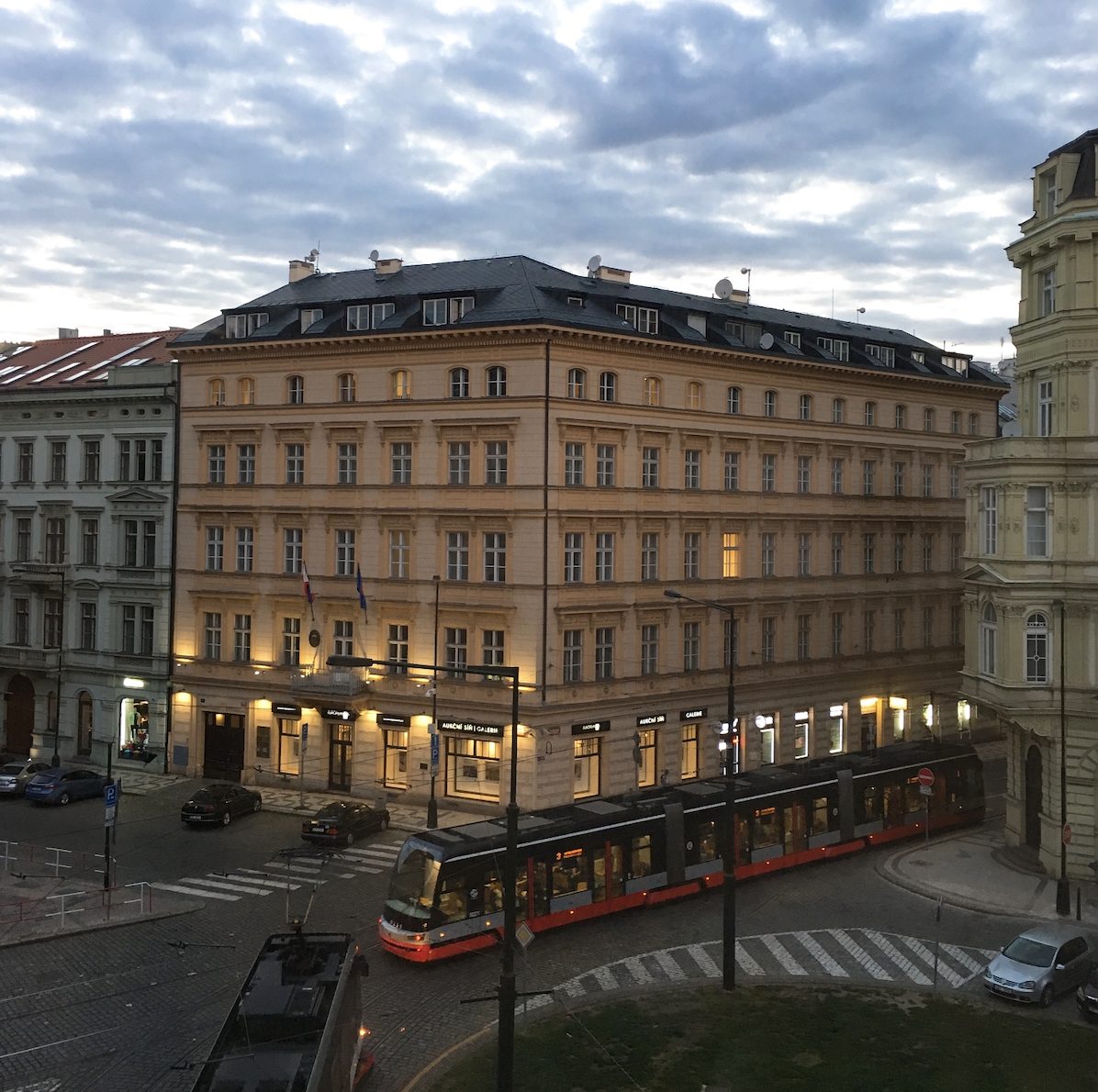
Europe has thousands of beautiful cities, but only a few places still feel like they belong to another century.
In many historic towns across Europe, modern life exists quietly alongside streets that were built hundreds of years ago. Stone walls, narrow alleyways, castle towers, and town squares remain almost unchanged from the medieval era.
For travelers, these places can feel magical.
But for families traveling slowly through Europe, medieval towns offer something even more valuable — a chance to experience history in everyday life.
From our experience traveling as a worldschooling family, some of the most meaningful moments of travel do not happen in large famous cities. They happen in smaller historic towns where children can walk through centuries-old streets and suddenly realize that history is not just something in books.

It is something you can stand inside.
Below are 10 of the most beautiful medieval towns in Europe where time seems to move a little slower.
Many families exploring medieval towns are also planning longer stays in Europe. Understanding visa rules and travel strategies can make slow travel much easier.
➡ How Families Stay in Europe for 1 Year Legally
➡ Best Non-Schengen Countries to Reset Your 90/180 Rule

1. Český Krumlov, Czech Republic
Few towns in Europe feel as perfectly preserved as Český Krumlov.
This small town in southern Czech Republic sits inside a dramatic curve of the Vltava River, surrounded by hills and dominated by one of the largest castle complexes in Central Europe.
The first time we walked through the old town, the atmosphere felt almost unreal.
From our experience traveling as a worldschooling family, towns like Český Krumlov create moments when children suddenly become curious about history.
Instead of learning about castles in a classroom, they see:
• castle towers rising above the town
• medieval bridges crossing the river
• narrow cobblestone streets once used by merchants
Český Krumlov is one of the best preserved medieval towns in Europe, and its historic center is recognized as a UNESCO World Heritage Site.
Many travelers combine a visit to Český Krumlov with time in Prague, one of the most historic capitals in Central Europe.
➡ Internal link
Medieval Town of Český Krumlov: One of Europe’s Best Preserved Historic Cities
➡ Cost of Living in Prague for Families
➡ Best Countries for Worldschooling Families

2. Hallstatt, Austria
Hallstatt may be one of the most photographed villages in Europe, but its beauty still surprises visitors when they arrive.
The village sits beside a calm alpine lake, with colorful houses stacked against steep mountain slopes.
Salt mining in this region dates back thousands of years, making Hallstatt one of the oldest continuously inhabited settlements in Europe.
Despite its popularity with travelers, the town still retains its quiet historic charm, especially early in the morning when the streets are nearly empty.
For families traveling through Europe, Hallstatt offers an unforgettable combination of nature, history, and dramatic landscapes.
Many travelers visit Hallstatt as a day trip from Vienna.
➡ Cost of Living in Vienna for Families
3. Rothenburg ob der Tauber, Germany
If someone wanted to imagine a perfect medieval town, it might look like Rothenburg ob der Tauber.
The town remains surrounded by medieval defensive walls that visitors can still walk along today.
Inside the walls, half-timbered houses, historic towers, and small market squares create one of the most authentic historic atmospheres in Germany.
Walking through Rothenburg feels less like visiting a city and more like stepping into a storybook.
4. Bruges, Belgium
Bruges grew wealthy during the Middle Ages through trade and shipping.
Today, the city still contains one of the most remarkable medieval centers in Europe.
Canals run through the historic district, connecting Gothic buildings, town squares, and stone bridges.
Although Bruges attracts many tourists, the city remains one of the most atmospheric historic towns in Europe.
Horse carriages still travel through the old streets, and the sound of church bells echoes across the canals.
5. Siena, Italy
Unlike many Italian cities that expanded during later centuries, Siena preserved much of its medieval structure.
Its historic center still follows the layout created in the Middle Ages.
The famous Piazza del Campo sits at the heart of the city and hosts the historic Palio horse race, a tradition that dates back hundreds of years.
Steep streets wind through stone buildings, creating one of the most powerful medieval landscapes in Italy.
6. Carcassonne, France
Carcassonne is one of the most dramatic medieval fortresses in Europe.
The city is surrounded by enormous defensive walls with watchtowers and fortified gates.
Walking inside the fortress feels like entering a medieval film set.
Although the city has been restored over the centuries, much of its structure reflects the defensive architecture that protected European cities during the Middle Ages.
7. Dubrovnik, Croatia
Dubrovnik’s historic old town sits beside the Adriatic Sea, surrounded by massive stone walls.
Visitors can walk along the city walls and look down over terracotta rooftops and narrow medieval streets.
Although Dubrovnik has become extremely popular with tourists, the historic center still reveals the city’s powerful maritime history.
The combination of medieval architecture and coastal scenery makes Dubrovnik one of the most dramatic historic towns in Europe.
8. Tallinn Old Town, Estonia
Tallinn offers one of the most complete medieval city centers in Northern Europe.
Its historic walls, towers, and merchant houses remain remarkably intact.
The city’s upper town overlooks the lower town and the Baltic Sea, creating views that feel almost cinematic.
Compared with many Western European destinations, Tallinn often feels quieter and less crowded.
9. Colmar, France
Colmar looks almost like a town from a storybook.
Colorful half-timbered houses line narrow streets and canals, especially in the area known as Little Venice.
The town reflects centuries of French and German cultural influence.
Flower-lined balconies and historic buildings create one of the most picturesque historic towns in Europe.

10. Prague Old Town, Czech Republic
Prague contains one of the largest medieval historic centers in Europe.
Its old town includes:
• Charles Bridge
• Prague Castle
• the Astronomical Clock
• Gothic cathedrals
Despite its popularity with travelers, wandering through Prague’s streets still reveals the powerful history that shaped the city.
➡ Internal link
Cost of Living in Prague for Families
Why Medieval Towns Feel Different From Major Cities
From our experience traveling as a worldschooling family, medieval towns offer something that large capital cities often cannot.
They create space to slow down.
Instead of rushing between landmarks, families can simply walk through streets that have existed for centuries.
Children notice details adults often overlook:
• carved stone doorways
• historic town gates
• medieval street patterns
In many ways, these towns turn travel into a living classroom.
➡ Cheapest Countries in Europe for Families
➡ Best Cities in Europe for Slow Travel

The Emma Family’s Personal Strategy
The following perspective reflects personal experience and should not be interpreted as travel advice.
From our experience traveling as a worldschooling family, we have learned that the most memorable places in Europe are not always the biggest or most famous cities.
Often, the smaller historic towns create the strongest memories.
Our family usually looks for destinations where we can:
• walk everywhere
• explore slowly without strict schedules
• allow children to discover history naturally
Medieval towns across Europe offer exactly that type of environment.
Instead of moving quickly from city to city, we try to stay longer in places that encourage curiosity and exploration.
Over time we discovered that slow travel in historic towns allows children to connect with history in a way that traditional sightseeing rarely achieves.
Before choosing a city, we always follow our framework:
👉 How to Choose a City for Worldschooling (Real Family Strategy)
“Worldschooling — Learning from the World, the Introvert Family Way” _ Emma


You must be logged in to post a comment.