
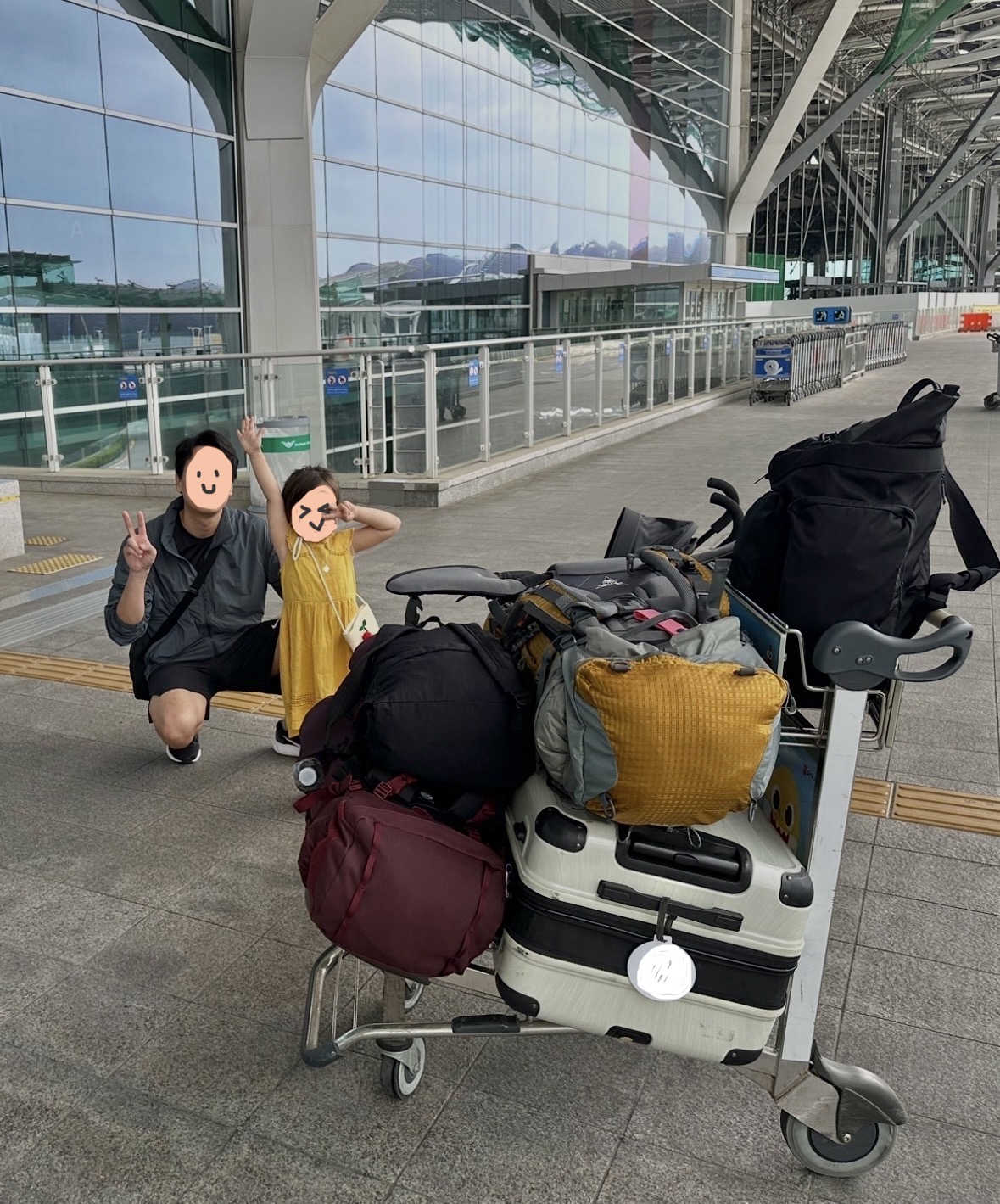
On May 18, 2023, our family made a quiet decision.
We would leave Korea — not for a short trip, not for a gap year, but to explore long-term family living across different cities.
This journey has not ended.
It is still unfolding.
What began as an experiment in slower living gradually evolved into a structured exploration of how cities shape family rhythm, infrastructure stability, education style, and long-term sustainability.
This platform documents that process.
Why We Chose Long-Term Living Over Travel
We are not fast travelers.
We are a worldschooling family that values:
- emotional stability
- daily rhythm
- infrastructure over excitement
- long-term alignment over novelty
We did not want to collect destinations.
We wanted to understand how a city feels when you wake up there every morning.
Travel shows highlights.
Living reveals patterns.
If you are new to our philosophy, you can explore our broader framework in the Worldschooling Resource Hub:
👉 https://worldschoolfamilylife.com/worldschooling/

Cities That Shaped Our Journey
Since leaving Korea, our life has moved through different environments:
- Chiang Mai
- Kuala Lumpur
- Perth
- Budapest
- Tbilisi
- London
- Warsaw
- and ongoing exploration across Europe
Each city offered something distinct.
Some offered affordability and flexibility.
Some offered institutional structure and predictability.
Some offered emotional calm.
For example:
In Perth, infrastructure stability and pedestrian design shaped daily ease.
You can read our detailed evaluation here:
👉 https://worldschoolfamilylife.com/2026/02/03/2-months-in-perth-a-quiet-familys-life-in-australia/
In Tbilisi, affordability and community flexibility stood out:
👉 https://worldschoolfamilylife.com/2026/02/13/living-costs-for-families-in-tbilisi-a-2025-breakdown/
Across Europe, visa structure became increasingly important:
👉 https://worldschoolfamilylife.com/2026/02/25/stay-in-europe-beyond-90-days-a-complete-legal-guide/
None of these cities were “perfect.”
But each revealed what kind of environment supports our family best.
What Living Across Cities Taught Us
1. Cost Alone Does Not Determine Quality of Life
Lower cost cities such as Chiang Mai or Kuala Lumpur reduced financial pressure.
However, cost efficiency did not automatically translate into stability.
In some cases, higher-cost cities reduced invisible stress through:
- structured public systems
- reliable healthcare
- predictable infrastructure
Affordability matters.
But predictability matters too.
2. Infrastructure Shapes Emotional Energy
Cities with strong infrastructure — such as Perth or London — offer:
- clear pedestrian systems
- reliable transport
- consistent public services
This reduces daily decision fatigue.
Other cities offer flexibility instead of structure.
Neither model is superior.
The question becomes:
Which system lowers your family’s mental load?
3. A Child Experiences Cities Differently
Our child does not measure cities by rent or GDP.
She measures them by:
- playground accessibility
- freedom of movement
- friendliness of strangers
- predictability of daily routine
This perspective reshaped our criteria.
When evaluating cities now, we look beyond cost tables and consider emotional design.

From Asia to Europe: How Our Priorities Shifted
In 2023, we were focused on flexibility and cost efficiency.
By 2025, our priorities evolved toward:
- visa clarity
- residency structure
- education continuity
- healthcare access
This shift led us to analyze legal frameworks more carefully.
For example, navigating the Schengen 90/180 rule became central to long-term planning:
👉 https://worldschoolfamilylife.com/2026/02/25/stay-in-europe-beyond-90-days-a-complete-legal-guide/
And when exploring Spain as a potential base, we studied income requirements for the Non-Lucrative Visa:
👉 https://worldschoolfamilylife.com/2026/02/26/spain-non-lucrative-visa-2026-income-requirements-family-guide/
The journey gradually moved from lifestyle exploration to structured relocation analysis.
Infrastructure vs Cost: What Actually Matters
After living across Asia, Australia, and Europe, we recognize a pattern:
- Cities with strong infrastructure reduce daily friction.
- Mid-sized cities often support family rhythm better than major capitals.
- Visa clarity reduces emotional fatigue.
- Predictability matters more than excitement.
Cost comparisons are important.
But infrastructure stability often has deeper long-term impact.
Why This Journey Is Still Ongoing
We did not leave Korea to escape.
We left to test alignment.
Each city helps us evaluate:
- our tolerance for complexity
- our need for structure
- our child’s adaptability
- the balance between calm and growth
We are not searching for perfection.
We are observing compatibility.
As of now, we continue exploring Europe with this lens.
What This Platform Represents
World School Family Life is not a travel diary.
It is a structured documentation of:
- city comparison
- relocation frameworks
- family rhythm design
- long-term sustainability
Our writing reflects lived experience, not short visits.
We analyze cities as ecosystems — not as attractions.
If you are considering structured worldschooling or long-term family relocation, you may begin here:
👉 https://worldschoolfamilylife.com/worldschooling/

The Pattern We Now Recognize
Looking back at the decision made on May 18, 2023, one thing is clear:
Cities influence family rhythm more than we expected.
Some cities amplify noise.
Some cities reduce it.
Some cities reward flexibility.
Others reward planning.
Our journey continues because our questions continue.
And this platform documents that process carefully — one city at a time.
“Worldschooling — Learning from the World, the Introvert Family Way”
_Emma


You must be logged in to post a comment.