
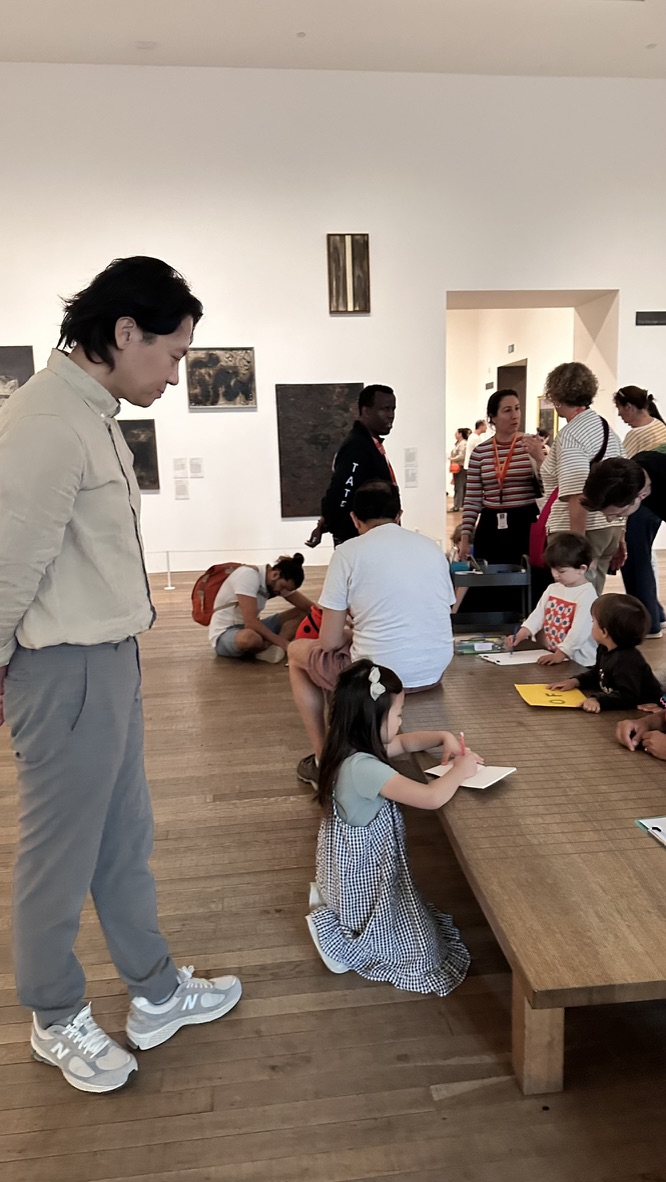
Free Museums in London: Admission Policy, Costs & Creative Learning Guide (2026) explains which major publicly funded museums offer free general admission, what optional costs may apply, and how families can structure meaningful educational visits under the United Kingdom’s cultural funding framework.
Why Are Many Museums Free in London? Public Funding Explained
Many major museums in London operate under a publicly funded model supported by central government cultural policy. National museums receive government funding to ensure broad public access to cultural heritage. As a result, general admission to permanent collections is typically free.
Free general admission usually includes:
- Entry to permanent galleries
- Access to core collections
- Self-guided visits during standard opening hours
However, free admission does not necessarily cover:
- Temporary or special exhibitions
- Immersive experiences
- Audio guides
- Ticketed workshops or events
Special exhibitions often require paid tickets. Depending on the institution and programming cycle, ticket prices commonly range between £12 and £25 (approximately $15–$32 USD). These figures may vary by exhibition and year. Visitors should verify current pricing through the official website of the relevant public institution.
Because admission structures may change depending on funding reviews or institutional policy updates, the latest official announcement should always be consulted before visiting.
If you are coordinating museum visits as part of a broader European stay, it may also be helpful to review our guide on the Schengen 90/180 rule explained when planning travel across multiple countries.
Understanding publicly funded access models in London becomes even more important when comparing cultural systems across Europe. If you are structuring longer European stays, review our detailed explanation of the Schengen 90/180 rule explained to coordinate museum visits with legal stay limits.

Major Free Museums in London (Permanent Collections)
The following institutions are nationally recognized museums that typically provide free general admission to their permanent collections.
The National Gallery
- Focus: Western European paintings (13th–19th century)
- Location: Trafalgar Square
- General admission: Free
- Temporary exhibitions: Ticketed
The National Gallery emphasizes public access to historic artworks and provides family-oriented interpretation materials.
Tate Modern
- Focus: Modern and contemporary art
- Location: Bankside
- General admission: Free
- Special exhibitions: Ticketed
Tate Modern integrates educational interpretation into its galleries, making it accessible for younger visitors.
The British Museum
- Focus: World history and cultural heritage
- Location: Bloomsbury
- General admission: Free
- Temporary exhibitions: Ticketed
The British Museum presents global civilizations through curated galleries. Entry to permanent collections is free, though special exhibitions typically require tickets.
Victoria and Albert Museum (V&A)
- Focus: Art, design, fashion, decorative arts
- Location: South Kensington
- General admission: Free
- Special exhibitions: Ticketed
The V&A supports public design literacy and creative education.
Natural History Museum
- Focus: Biodiversity, evolution, geology
- Location: South Kensington
- General admission: Free
- Special immersive experiences: May require payment
Science Museum
- Focus: Innovation, engineering, scientific discovery
- Location: South Kensington
- General admission: Free
- Certain interactive experiences: Ticketed
Admission rules and operational details are subject to change. Always confirm directly through the official website of the institution concerned.

What Costs Should Families Budget For?
Although general admission is free, families should consider additional expenses.
| Category | Typical Cost Structure |
|---|---|
| Permanent Collection Entry | Free |
| Special Exhibitions | £12–£25 ($15–$32 USD approx.) |
| Audio Guides | Optional paid service |
| Workshops | Free or ticketed depending on program |
| Donations | Voluntary |
| Public Transport | Varies by zone |
| Food and Refreshments | Market price |
Free entry significantly reduces cultural access costs, but transportation and daily expenses should be included in planning.
For families comparing London with other European destinations, our article on Cost of living in Southern Europe provides a structured budgeting comparison in ($USD).
Although admission is free, transportation, accommodation, and food expenses remain significant. Families comparing cultural cities may also consult our breakdown of the Cost of living in Southern Europe to understand broader budget implications in ($USD).
Although general admission to many national museums is free, overall living expenses in London remain significant. Families planning an extended cultural stay should also review our detailed breakdown of the Cost of Living in London for a Family of 3: 2-Month Stay to understand realistic accommodation, food, and transport budgets in ($USD).
How to Turn Free Museums into Structured Creative Learning
Free admission alone does not ensure educational value. Structure creates depth.
For children aged 5–8, museum visits can develop:
- Visual literacy
- Narrative interpretation
- Cultural awareness
- Analytical observation
- Design thinking
A structured approach increases learning retention.
Practical Learning Framework
- Select one theme per visit (e.g., light, symbolism, pattern).
- Focus on 3–5 works maximum.
- Limit visit duration to 60–90 minutes.
- Conduct a short reflection discussion afterward.
Consistency is more effective than intensity.
If museum learning is part of a broader mobility plan, our Family relocation planning in Europe guide explains how to integrate cultural exposure into long-term educational strategy.
If you are integrating museum learning into a broader relocation plan, our guide on Family relocation planning in Europe explains how to align cultural exposure with long-term family mobility.

Weekly Curriculum Model (Sample Structure)
A weekly model transforms free museums into a creative curriculum.
Week 1 – Light and Emotion
Location: National Gallery
Focus: Renaissance portraiture
Skill: Emotional reading of facial expression
Week 2 – Color and Abstraction
Location: Tate Modern
Focus: Modern abstract works
Skill: Color interpretation and emotional mapping
Week 3 – Pattern and Design
Location: Victoria and Albert Museum
Focus: Textiles and decorative arts
Skill: Pattern recognition and structural design
Week 4 – Civilization and Symbolism
Location: British Museum
Focus: Ancient artifacts
Skill: Cultural comparison and symbolic literacy
Visits should remain under 90 minutes. Reflection drawing or storytelling afterward enhances retention.
Common Misunderstandings About Free Museums in London
“Everything Is Free”
Permanent collections are free. Temporary exhibitions are often ticketed.
“No Booking Is Ever Required”
During high visitor periods, time-slot booking may be required even for free entry.
“Free Museums Offer Limited Value”
Publicly funded institutions house internationally recognized collections and maintain formal educational departments.
“Policies Never Change”
Admission rules, exhibition pricing, and operational hours may change. Always confirm through official sources.
Accessibility and Public Use Conditions
Most major London museums provide:
- Step-free access
- Family rest facilities
- Security screening
- Educational signage
Opening hours may vary during holidays or renovation periods.
Visitors should confirm:
- Accessibility services
- Current opening hours
- Temporary closures
Verification should be completed via the official website of the relevant public institution.

Free Museums in London: A Creative Learning Journey
Before planning your visit, verify the following:
- Current free general admission policy
- Ticket pricing for special exhibitions
- Opening hours for your visit date
- Whether pre-booking is required
- Accessibility accommodations
- Redevelopment or closure updates
These details should be confirmed through:
- The official government cultural portal
- The public institution operating the museum
Admission policies and pricing may change depending on funding cycles or institutional decisions. The most recent official announcement should always be consulted.
Frequently Asked Questions (FAQ)
Q1) Are all museums in London free?
Many nationally funded museums provide free general admission to permanent collections. Private or independent museums may charge entry fees.
Q2) Do international visitors pay different prices?
General admission to permanent collections is typically free regardless of nationality.
Q3) Are special exhibitions worth paying for?
Special exhibitions often involve curated programming and loaned works. Visitors should review official exhibition details before purchasing tickets.
Q4) Is booking required for free entry?
In some cases, particularly during peak seasons, advance booking may be required for crowd management.
Q5) Do free museums receive government funding?
Many nationally recognized museums operate under publicly funded frameworks that support free access to permanent collections.
Free Museums in London: A Creative Learning Journey — Practical Planning Framework
To plan responsibly:
- Confirm general admission status for your visit date.
- Review optional exhibition pricing.
- Budget transportation in ($USD equivalent).
- Plan shorter repeat visits rather than one extended day.
- Monitor official updates before each visit.
Free entry reduces financial barriers, but educational value depends on structured engagement.
For families building a structured mobility model, combining cultural access with legal planning is essential. Our article on Long-term EU residence strategy provides additional context for extended European stays.
Emma Family Strategy (Personal Perspective)
From our experience, the most sustainable approach to Free Museums in London: A Creative Learning Journey is consistent, theme-based repetition rather than exhaustive coverage.
We prioritize:
- Short focused visits
- Clear thematic objectives
- Post-visit drawing reflection
- Monitoring official admission updates before each trip
This section reflects personal educational practice and is not official guidance from any public authority.
Public funding provides access. Meaningful creative learning depends on family structure, planning, and responsible verification of official policies before each visit.
>> Cost of Living in London for a Family of 3: 2-Month Stay
“Worldschooling — Learning from the World, the Introvert Family Way” _ Emma
For a broader perspective on how families structure learning while traveling,
see our complete guide:
Worldschooling Education Framework (2026)


You must be logged in to post a comment.