

🌏 Can Travel Help a Shy Toddler Build Confidence?
What Changed After Our Sydney Family Trip
Hello,
I’m Emma from the World School Family.
I may be shy with people, but I’m endlessly curious about the world.
Many parents of shy children quietly carry the same question:
Will travel help my child become more confident?
Or will it overwhelm them even more?
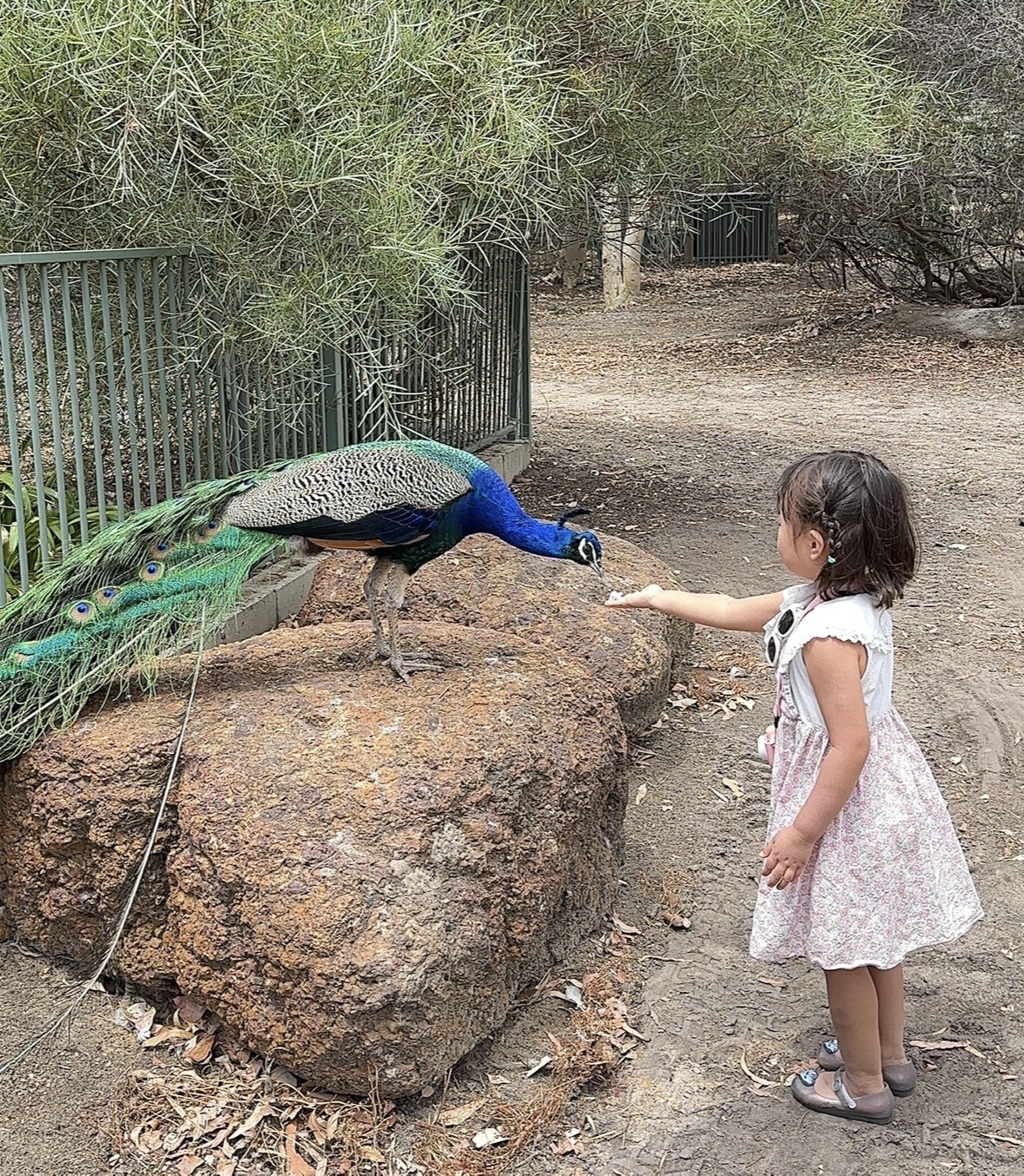
In February 2023, we traveled to Sydney with our three-year-old daughter and her grandparents. At that time, she was deeply reserved. She avoided unfamiliar playgrounds, rarely initiated play, and spoke no English. We weren’t expecting transformation. We were simply celebrating a milestone birthday as a family.
But when we returned home, something subtle had shifted.
Not dramatically.
Not loudly.
But enough for us to notice.
This article isn’t about instant personality change. It’s about the quiet, almost invisible ways travel can support the development of a shy toddler.
🌿 Before the Trip: Understanding a Shy Toddler
Our daughter was not fearful in the traditional sense. She was observant. She needed time. She preferred watching before acting.
In familiar environments, she played well.
In unfamiliar ones, she froze.
At playgrounds, she would stand next to me for long stretches of time.
If another child approached her, she often stepped back.
If adults spoke English nearby, she would lower her gaze and cling to my leg.
We never labeled her as “too shy.”
But we did wonder:
Was staying only in familiar environments limiting her growth?
Developmental psychologists often describe temperament as biologically influenced but environmentally shaped. A shy temperament does not mean a child lacks confidence. It simply means they require different pacing.
We didn’t want to change who she was.
We wanted to see what gentle exposure might do.

🌿 The Role of Travel in Early Childhood Development
Research in early childhood development suggests that controlled novelty—new but safe experiences—can increase resilience, flexibility, and adaptive behavior in young children.
Travel naturally introduces:
- new sounds
- new languages
- new social cues
- new sensory environments
For shy children, this can feel overwhelming.
But when supported by secure attachment (familiar caregivers), these exposures can become confidence-building rather than threatening.
Sydney became our experiment in gentle exposure.
1️⃣ Reduced Hesitation in New Environments
After we returned home, the first noticeable shift wasn’t boldness.
It was duration.
Before Sydney, new environments meant long periods of stillness.
After Sydney, hesitation shortened.
At a local park in Korea, she watched for a few minutes—then walked toward the sandbox. She didn’t immediately join other children, but she moved closer without prompting.
That change—from freezing to approaching—was small but measurable.
Confidence in shy children often grows not through sudden extroversion, but through decreased avoidance.
Travel didn’t erase her temperament.
It reduced her fear threshold.
2️⃣ Cross-Cultural Play Without Language
At Manly Beach, something remarkable happened.
Two Australian siblings were building in the sand near her. After a moment of watching, they gestured for her to join.
No one spoke the same language.
No rules were explained.
They built side by side. Passed sand. Dug holes. Sat quietly.
For a child who struggled with verbal initiation, this was the perfect format: parallel play without linguistic pressure.
Weeks later, at a park back home, she picked up her shovel and said,
“Like Australia.”
That memory had integrated.
She began associating unfamiliar peers not with rejection, but with possibility.
This aligns with studies showing that positive peer exposure in low-pressure contexts strengthens social tolerance in early childhood.
3️⃣ Physical Confidence Through Novel Experiences
During a Port Stephens excursion, she:
- fed goats
- fed wallabies
- tried milking a cow
- rode a camel
- sandboarded on dunes
Before this trip, she often waited for reassurance before trying new activities.
After Sydney, at a small farm near our home, she stepped forward independently to feed animals.
This wasn’t thrill-seeking.
It was quiet bodily confidence.
Exposure to safe physical challenges builds proprioceptive trust—the sense that “I can handle this.”
Travel had provided novelty within parental security.
4️⃣ Expanded Geographic Curiosity
One of the most surprising changes wasn’t behavioral—it was cognitive.
Before Sydney, geography was abstract. Beaches were beaches. Cities were cities.
After Sydney, she asked:
- “Are there beaches like that here?”
- “Can we take a ferry again?”
- “Are there animals like that in other countries?”
Curiosity is often the earliest form of confidence.
When a child begins asking about the world rather than withdrawing from it, something internal has shifted.
5️⃣ Social Recovery Was Faster
Another small but important change: emotional recovery.
Previously, if a social interaction didn’t go well, she would withdraw for the rest of the outing.
After Sydney, when a child didn’t respond to her, she seemed less shaken. She returned to playing independently more quickly.
Exposure had normalized unpredictability.
Travel teaches children that unfamiliar doesn’t always equal unsafe.
6️⃣ What Didn’t Change (And Why That’s Important)
She did not become outgoing.
She did not suddenly speak English.
She did not seek attention.
Temperament remained intact.
And that is important.
Travel should not aim to change a child’s personality.
It should aim to expand their tolerance within that personality.
The goal was never transformation.
It was flexibility.

🌿 What Actually Changed: Us
The most profound shift occurred in us as parents.
We realized:
- She could function without language.
- She could observe before acting.
- She could regulate in new environments.
Our fear had been larger than her limitation.
If she could handle one week in a foreign country,
perhaps overseas living was not unrealistic.
Sydney planted a question that later shaped our decisions:
What if short travel wasn’t enough?
What if slow living abroad would deepen these small gains?
That question eventually led us toward worldschooling.
🌿 Does Travel Really Help Shy Toddlers?
Based on our experience and developmental research:
Travel can:
- decrease avoidance duration
- normalize unfamiliar stimuli
- build physical confidence
- increase curiosity
- strengthen social tolerance
It does not:
- change core temperament
- eliminate shyness
- create instant extroversion
But it can gently stretch comfort zones.
Confidence is rarely dramatic.
It accumulates through repeated, supported exposure.
For our family, Sydney did not create a new child.
It created a slightly braver one.
And sometimes, that is enough to change a family’s direction.

✨ Final Reflection
Looking back, the Sydney trip was not just a milestone celebration.
It was the moment we saw proof—
not that our child needed to be different,
but that she was more capable than we had assumed.
That realization was subtle.
But it changed everything.
“Worldschooling — Learning from the World, the Introvert Family Way” _ Emma


You must be logged in to post a comment.